They might have not asked but you felt right to share your wisdom and experience with them. They might have not heeded your advice but you felt right to say it anyway. They might not have cared but you cared enough for them to share what you know.
Sometimes you care too much for someone and give them advice/suggestions/tips. You have to. It’s your responsibility as a leader, communicator and a human being. The journey is long and it’s important to learn from experiences and knowledge of others. We can’t afford to make the same mistakes again and again. It’s our duty to guide the next generation and give them the tools to fish.
Your job is to care enough to make a difference in someone’s life. Your job is to have empathy in others. Your job is to tell the truth and do the right thing.
Pemba was telling stories one after another. He had our attention and was enthusiastically sharing tales-tales of dolphins, fish, lions, superheroes and all. We were amazed by this four year old who kept us entertained during our dinner at Kutumsang Yak Lodge & Guest House. Just that afternoon, our eight people trek team (Akhilesh, Nirmal, Pujan, Rijna, Rupak, Salvi, Soyesh and Unika) had reached Kutumsang and made ourselves at home.
Leaving from Kathmandu on Friday morning, we took the bus to Sundarijal, hiked to Chisapani and made our way to Chipling by the evening. The next day we hiked for five hours from Chipling to reach Kutumsang. We spent the afternoon and stayed overnight at Kutumsang and took the bus back to Kathmandu on Sunday. This is how we got here…
the explorer
Rupak brought lunch from home most of the times. This particular day, he had brought chicken curry and rice. Today he had an agenda. His agenda was to get the lunch group to go to Kutumsang for a weekend preferably for two nights and three days. An avid traveller who had recently visited RaRa lake during the Dashain break, Rupak was always energized to explore new places and meet people from around the world. Rupak’s eyes lit up as he spoke of Kutumsang, a place his friends had travelled back in 2008 and he had missed the chance to go with them. Nevertheless, he had not given up hope and was convincing this lunch crowd (Akhilesh, Binny, Durga, Manjul, Nirmal, Pujan, Rijna, Rinesh, Rita, Ruby, Salvi, Soyesh, Unika) to trek to Kutumsang.
The lunch crowd was keenly listening and then asked questions about the route, sightseeing places, days, budget etc regarding the trip. Rupak had done his research-he came prepared. The lunch hour finished with the group semi-convinced on the trip. Next up was talking to our parents and getting their permission for this trip and also getting the Friday leave approved at work.
On Monday, while nibbling on lunch, the conversation came back to Kutumsang. Rijna inquires about the route to Kutumsang. She had done some research on the destination and had queries. Rupak answered them. Soyesh inquires about the budget and Unika adds her two cents in the conversation as well. Akhilesh checks Google maps of the whereabouts of Kutumsang and its routes. After some discussion, the budget for the trip is decided: 2000 Nrs per person. The group finishes lunch and agrees to collect 2000 from each person by Thursday. Conversations regarding the trek ensues on chat and the group members are anxious for the trip. By Thursday’s lunch time, everyone had handed the money for the trip. It was happening. Rupak had convinced the group and now we are about to make the trek to Kutumsang a reality. Rupak prepares the itinerary.
On Thursday night, I’m starting to pack. Warm clothes, medicine, chargers etc. I message Rupak on the exact location to meet for the bus on Friday morning. I setup the alarm at 5am and get to sleep. After getting up, I pack the rest of the stuff, grab the safe tempo and head towards Chabahil Stupa. The rest of the group would catch the bus at the Old Bus Park and would pick us up on the way to Sundarijal. I call Akhilesh and he updates me on the whereabouts of the bus. He texts me BA 3 KHA 9277-the bus number. I called Rupak to meet me at the corner and he says “Dai countdown till 10 and I’ll be there.” The bus approaches Chabahil Stupa, we aboard the bus and reach Sundarijal.
the breakfast
At Sundarijal, we had two options for breakfast. Eat at the bus stop area or hike up a little bit and then have breakfast. We decided for the latter. As we approached the first stop, Rupak recognized the lady as Bimal dai’s wife and inquired if there is breakfast available. For breakfast, we get roti, vegetable curry and tea-the typical Nepali breakfast.
Everyone’s getting ready for the day. I’m about to charge my phone. Pujan, Salvi and Rijna are going through their trek bags and some are about to wear sunscreen. Unika is searching for her glasses. Rupak is taking out his camera. Akhilesh is setting up his headphones. Soyesh is relaxing on the seat. Rupak announces “Oh I missed my lighter at home” and goes to the shop to see if the store has a lighter or a matchbox. Breakfast arrives and we devour what’s on the plate. The seating area overlooks a gorge and there are big rocks below. I head down to check out the spot and Rupak has ample opportunities to capture these moments in his beloved Canon camera.
the “30 min hike”
We are about to enter the Shivapuri Nagarjun National Park. The person on the desk inquires about our trek and suggests us to also check out some spots along the Kutumsang trek. We state that we have to return to Kathmandu by Sunday but thank him for the suggestion. We tread on. I confide in Akhilesh that hey we made it happen-we are actually here hiking today. Akhilesh tells me about another possible trek next week-Mardi Himal. Akhilesh is ardent about trekking-he’s just about ready to go anywhere if you make it happen. A vegetarian who has the appetite of a sumo wrestler and the metabolism of an olympic swimmer, Akhilesh is a calculative hiker and will lead the group in many parts of our trek. There are hordes of domestic tourists hiking up just as we are. A group of young kids pass us by and I inquire about their destination. Sushil was hiking up the hill as part of his annual trip from his hostel in Boudha. He asks me tapai haru kaha bata aauna bha to which I swiftly reply Kathmandu. Sushil in dismay says tapai haru english ma boldei hunuhuthiyo tesai le sodheko. I smile and we continue our hike. We make a short stop, fuel ourselves with water and Snicker bars.
The sun is out and its getting hotter. I had to change into a t-shirt and trekking shorts. Now I felt like I could fly. The breathtaking views are all around us. Clear blue skies, hills around us and 100% fresh air-something missing in our capital these days. I was thinking to myself how beautiful a place there is not so far away from Kathmandu. A pitch road comes by and few kids are coming down the road. They’re asking pach rupaiya…chocolate. Soyesh grabs a Snickers and hands one of the kids the bar. The kid is happy and returns to his group. We snap a group picture and then continue our journey to Chisapani.
Chisapani, Chisapani, Chisapani…I had heard a lot about this place and now I had made it here. A security personnel asks about our destination and we state that our final destination is Kutumsang. He nods his head and we carry on. The first thing I notice as soon as we get to Chisapani is the sight of the buildings. It looked like we travelled back in time to April 2015 when the massive earthquake took place and the buildings were shaken from the ground. Two buildings were titled and seem ready to fall on any minute. What a sight…
Rupak and Salvi had already reached Chisapani before us so they ordered lunch for the whole group. For lunch we would be having rice, dal, vegetable and achaar. I immediately search for the power outlet and charge my phone. When you hike/trek it’s crucial to keep your phone charged whenever possible especially in treks like these. As we wait for the meal to arrive, we take pictures and inquire with the local people about places to stay in Chipling-our final destination for the evening. Our lunch arrives and we’re busy finishing our plates. I tell the restaurant owner, a middle aged lady khana mitho thiyo. She responds maileta chini haleko thiena. We both giggle after her response. Now we’re ready to continue our journey ahead. Rupak notices some kids watching us and reaches for his camera.
We make our way to Patti Bhanjyang. Salvi notices a group of people on the rice field and inquires the way for Chipling. They murmur something amongst themselves and then reply Chhaang khane baye aaunus yaha. Salvi says thanks for the offer. I look back and ask Rupak is he’s ready for some local chhaang. Rupak is excited and says to the group that we’re coming down for some chhaang. When we meet the local group, they kindly offer us a cup of chhang. Chhang is a popular beverage mostly among the Newar, Sunuwar, Rai, Limbu, Gurung, Magar, Sherpa and Tamang communities. The millet flavored chhang is slightly strong and delicious. They offer us more chhang as we chit chat for a few minutes. The elder in the group points to the other hill as Chipling which we have to reach before night falls. The rest of our group has carried on and me and Rupak head back on the trail to catch up.
We met some locals and they say that Chipling is just 30 minutes away. I’m saying to myself “Wow another 30 minutes……hmmmm” We are anxious to reach Chipling in 30 minutes or so. We climb some steep hills and I’m starting to get tired. My pace is slowing down. After a steep climb, we find a water station. I’m craving for some tea to quench my thirst and to take a breather. The group decides to continue on and is optimistic that we’re almost at Chipling. I ask the locals in this village how far Chipling is and they respond with 30 minutes. 30 minutes for a local of this area could mean a couple of hours for us. In this part of the trek, we don’t find any other trekkers; just locals going about their day. Rupak is at the front of the pack rushing to reach Chipling and find us a good place to stay. Then there is Akhilesh and Rijna followed by me. Salvi is right behind followed by Pujan, Soyesh and Unika. We reach Chipling right before sunset.
We made ourselves at home at Lama Guest House-owned by a middle aged round figured man. He was soft spoken and working at his own pace. We warm ourselves with a cup of tea and then request for dinner in an hour as well. In the meantime, we’re chit chatting with each other. Rupak is mingling with other guests at the guest house and meets Viola from Italy. She had traveled to Nepal with her brother some time ago and was staying in Chipling teaching kids at a local elementary school. We have dinner and after that play some cards. Then we are done for the night and everyone gets their much awaited sleep. The next morning as I’m brushing my teeth at the water station, Viola says she’s also interested in heading to Kutumsang with us. She had not been out of Chipling much and wanted to discover the villages nearby. We have breakfast, leave Lama Guest House around 8am and prepare for a 4-5 hour hike to Kutumsang.
the destination
The hike feels good. It’s refreshing to trek early right before the afternoon sun scorches us. A steep hill greets us and we make that climb. Viola’s already at the top. Viola and Rupak meet an Italian couple and learn that they are returning from Gosaikunda-the popular lake. A few porters are making their way down. It always amazes me on how much porters can carry and how fast they move in the hills and mountains. As we get higher, there is a stupa followed by a wonderful viewpoint.
A flock of tourists are taking a breather and observing the serenity and beauty of this view-mountain ranges and dense forest. From here on, it is mostly downhill-there are pitch roads mixed with off roads. Rupak’s at the front followed by Rijna, Akhilesh, Salvi and I and then Unika, Pujan and Soyesh. We talk about anything and everything on our way. The hike is more smooth and easier compared to the long hike we did yesterday. We had covered a lot of ground in the prior day. As we pass by villages, we inquire about the bus to Kathmandu. We climb some steep hills, pass through a grazing field and hike down.
We reach Kutumsang around 12:30pm.
At Kutumsang, we talk to several hotels on their lunch/dinner options as well as accommodation rates. We quickly learn that most or all of the residences and hotels in Kutumsang is powered by solar energy and there is no electricity. At one hotel, an owner said he would get the generator on to charge cell phones if needed and a hot shower would cost 100rupees/person. Also we had been craving for a chicken platter for lunch since we left Kathmandu. However, there was scarcity of chicken in this area and one chicken would cost between 2500 to 3000 rupees. Akhilesh and Rijna had found Kutumsang Yak Lodge & Guest House which had the needed amenities for us-comfortable stay, hot shower, reasonable lunch/dinner rates. Run by a hospitable Sherpa family, Kutumsang Yak Lodge felt more like a homestay to me. The lady was versed in Nepali, Sherpa, English and Hebrew languages. She delightfully interacted with some Israeli trekkers as they came to the lodge. Now the lodge had two groups-our group and the Israeli trekkers.
What better way to top our trek than a warm and delicious lunch at our destination. The rice platter with vegetables, papad and aachar was the icing on the cake. Even Viola ate with her hands. We talked about the right way to eat a pizza, types of pasta and anything Nepali/Italian that came to our minds.
After lunch, we relax on the porch and also resume our card game. Rupak decides to venture to the stupa with Viola and we continue our card games. Within a few hours, I’m feeling tired from the accumulated trek and take a nap. As a group we watch a movie and then head to the kitchen/dining area of the lodge where the Sherpa family is cooking dinner. It’s a cozy atmosphere and feels like we’re a big family. Pemba is running around the room and starts telling stories to us. He’s animated, energetic and has everyone’s attention. We have a great dinner and then head outside. The sky looks so open and we can see thousands of stars. This is the closest I felt to the sky and was just amazed at the beautiful view. Over in the room, we recall our individual travel stories around Nepal and humble ourselves to know there are still so many places to visit in this beautiful country.
The next morning before breakfast, we hurriedly hike up to the stupa, take pictures and head back down to the lodge. We bid goodbye to our hosts, catch the bus and head back to Kathmandu.
I first learned about Ray Dalio’s book Principles on The Tim Ferriss Show. The title on Tim’s podcast was itself profound, Ray Dalio, The Steve Jobs of Investing.
Reading Principles’ reviews on goodreads just made me want to read the book even more. Some readers on goodreads have said that Principles is one of the best books they have ever read. I can’t wait to read it and share my thoughts.
Ray Dalio explains idea meritocracy in this Ted video.
Idea meritocracy seems like the best way to go. The best ideas should drive the company’s decisions. When you have the right talent in the right place, you need to trust their judgements and have the humility to accept that as a leader you won’t have the best ideas all the time. Embrace collective decision making.
Would you let your ego drive strategic decisions or let the best idea that came from the team discussion steer the company? Choose wisely.
Travelling takes you out of your comfort zone and into new places and situations. You make adjustments, meet people and gain a new perspective on life. Exploring a new place always excites me. The excitement comes from witnessing new landscape, architecture, cultures and experiencing something different.
Back in college, I made a bold decision to study abroad in Amsterdam, The Netherlands. That decision was one of the best decisions I made. Studying abroad in Amsterdam allowed me to meet dynamic individuals from around the world, explore the amazing city of Amsterdam and travel around Europe. I picked Amsterdam because the classes at Hogeschool van Amsterdam would be taught in English, Nike’s European headquarters was close to Amsterdam (in Hilversum) and no one from my college, State University of New York (SUNY) at Potsdam had studied abroad in The Netherlands.
I caught the travel bug from Amsterdam and then became enthusiastic to travel to many states once I returned back to New York. So far, I have visited 25 states in the US, many parts of Nepal and have been to over 16 countries.
There is still so much to see and explore and I hope to do so in the coming days, months and years.
A few things I learned from my travels:
–Start travelling. Don’t plan too much and don’t wait for everyone’s schedule to work out.
–Enough money to travel is an illusion. If you really want to travel, you’ll find a way. Money will come but first you need to make up your mind. If something else seems to occupy your time to travel, then travel is not in your priority.
–Start small. If you have plans to travel around the world, take the first step. You’ll be on your way.
There are plenty of blogs, articles, videos on the web for you to get started on travelling around the world or in your country. Travel to live.
On the ground feedback is vital to your startup success. If you’re running a company or have an idea playing around in your head, what better way to test it than going to your intended users and getting feedback.
The easier route nowadays is to create a Facebook page, a prototypical website or mobile app and test user activity. That is good. However nothing beats talking to actual customers and see if they will pay for a service or product you are planning to launch. Because if your end users like your idea but would not pay for a service that you are offering, then you need to tweak things.
Make a product or service that makes an impact and brings the cash.
The best ideas are right in front of you. You just have to hear them out.
An idea can lead to a startup. The founder can tweak the idea overtime or change it completely. As time goes on, market changes, competition arrives, challenges amass and then you have to come up with new ideas to stay ahead in the market. There are good and bad ideas thrown at you left and right to lead the pack. Which do you choose?
In any organization, there are individuals who have good ideas or strategies that can help the company tremendously. A lot of times the voices of these individuals are systematically silent because their supervisors or leaders are too busy managing their egos, not hearing their team out or just busy watching the competition.
Create an idea funnel in your organization where the team constantly challenges the status quo, find ways to manage loss and increase increase or impact and you have the opportunity to hear many ideas before deciding on one. The outsider consultant can help but before that make sure you have fully heard from the ones that you work with everyday. They might just be waiting for their turn to speak, contribute and make an impact.
It was the word of the day: Leave no stone unturned.
I was attending the Himalaya Toastmasters meeting on September 14. It was a great platform to hear from polished speakers, practice my public speaking skills, network and much more. For students, young professionals and anyone hungry to hone their speaking skills, the Toastmasters club is an amazing platform.
I highly recommend you to participate in or join any of the Toastmasters clubs below. Attend a Toastmasters meeting and leave no stone unturned.
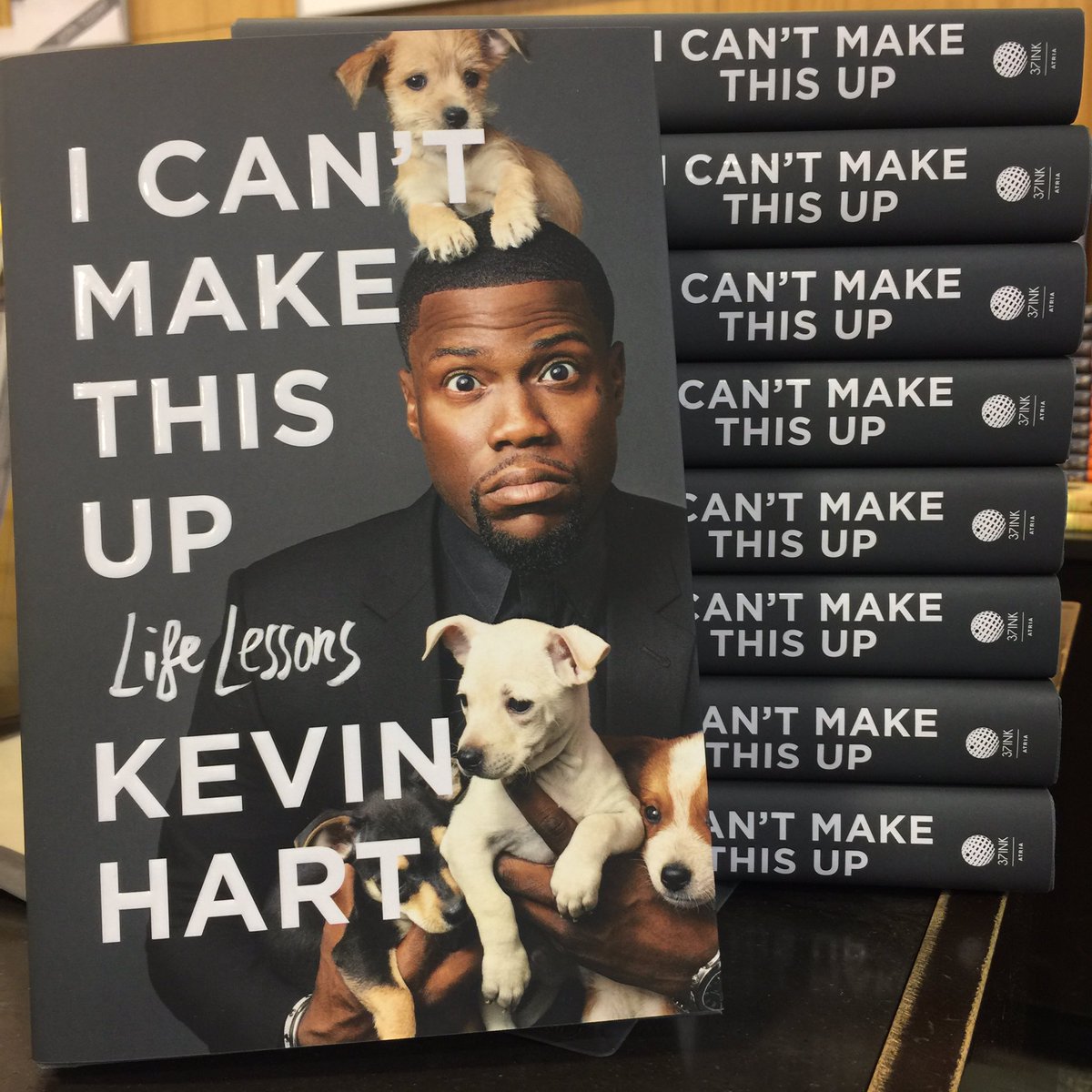
I had put I Can’t Make This Up: Life Lessons by Kevin Hart in my Book Bucket List in July. Now I’m just finished reading the book. I highly recommend reading this book.
Some phrases and quotes from the book that resonated with me:
One of the key factors for success – beyond work, talent, timing, relationships is the glue that holds all of these together is commitment.
I wanted to build on these opportunities to do more and leave my mark on the world through my accomplishments, not my personal life.
What’s harder than achieving success is achieving consistent success.
Life is like a pack of cards. There are fifty-two cards in a deck, but only four of them are aces. The goal of life is to make your way through a crowded deck where the odds are stacked against you and draw an ace.
Looking back over the decades covered in this book, I’ve picked out eight qualities that put me in a position to draw aces: persistence, patience, class, commitment, learning, passion-centered competitiveness, positivity and discomfort.
Located in a few hours hike from Kathmandu are the beautiful villages of Chitlang and Markhu in Makwanpur district. Filled with abundant homestays, Nepal’s first goat cheese factory, pear farming, beautiful landscape, Chitlang contrasts the capital Kathmandu yet is so nearby. Markhu has an amazing viewpoint of the closeby hills, temples, boating facility to Kulekhani dam and fish farming. Chitlang and Markhu are both seeing a boost in internal tourism with people hiking or going there on their motorbikes, mountain bikes or bus.
With four of my friends, we made our way to Markhu from Kathmandu on a bright Saturday morning. Our budget for this trip was 1500 Nrs. Here’s what our itinerary looked like:
Day 1:
Catch the bus to Thankot from Old Bus Park (around 30 minutes without traffic)
Get off at the stop for Chandragiri Hills
Take one way cable car to Chandragiri Hills (You can also hike from Tribhuvan park, Thankot)
Chandragiri Hills to Chitlang village (around 1.5hrs to 2hrs)
Lunch at Goat Cheese Home Stay
Hike to Markhu (around 1hr to 1.5hrs)
Dinner and lodging at New Pareli Guest House
Day 2:
Tour the temples and the pedestrian suspension bridge
Boating to machaghar (fish house) from Markhu lakeside (around 45 minutes)
Are you an entrepreneur selling a product, a service or your skills/knowledge? Are you a employee selling your knowledge and skills and contributing to the growth of the company?
We’re all salespeople. We’re just selling different things. It’s best to embrace this role and hone your selling skills. You have to first understand the market demand, take stock of your strengths and position yourself to address the market demand with your strengths. That’s the way to go.
We’re all salespeople. Some make a living with a sales title. Others make a living selling without holding a sales title.
Opportunities are in front of us. Some see it. Some don’t.
Let’s focus on the ones that see the opportunity.
The ones who see the opportunity can do few things. See it and jump into the opportunity. See it and decide not to do it. See it and not make any decision on it. Three choices. That’s it. Many times, I choose the first one.
I live by the statement Strike when the iron is hot.
One such opportunity came about in the form of a toastmaster event. After researching a few Toastmaster clubs in Kathmandu, I stumbled upon Himalaya Toastmasters. They meet on Thursdays at 6pm at SAP Falcha, Babarmahal. I thought it was a great opportunity to go there to practice my public speaking skills plus take a few of my coworkers to experience Toastmasters firsthand. We got to SAP Falcha at 5:45pm and networked with other club members. You can definitely feel a different level of energy in the room. The meeting started at 6pm, continued till 7:45pm with a short networking break in the middle. Within that time frame, we heard from some fine speakers on various topics. There was a Table Topic session where guests could participate. Two guests spoke before me and I wanted to seize the opportunity to speak as well. The third topic was announced “Your younger brother or sister has just failed the exam. You need to console him or her. How would you do it?” I raised my hand and went to the stage.
I gave a short speech on the third topic and it felt great. Later on, I learned that I had won Best Table Topics Award. I was exhilarated. I credit all of this to taking chances and putting yourself out there to continuously improve. By making a decision to attend the Toastmasters event, I was presented with so many opportunities: met other professionals, met old friends, improved my public speaking skills, won a award, got inspired, shared travel stories and created many memories among others. I highly encourage young professionals in Kathmandu to join a local Toastmasters club. The benefits are endless.
Phil Hellmuth is an American professional poker player who has won a record fourteen World Series of Poker bracelets. I’m not a poker player nor have any interest in poker. However, what drew me to listen to Phil’s conversation with Tim Ferriss was this quote by Phil.
“The difference between your best and your worst? The perception of others. Block out the noise and you’ll stay on track.”
Upon researching a little bit on Phil and his accomplishments, I became more interested to listen to his story, his perspective on money management and the importance of forgiveness.
In Tim’s podcast, Phil recounts a story of forgiveness. Phil had a person who had been stealing from him (about $28,000) and for whom he had also been helping the family. When Phil got the phone call that this had happened, he was shocked. One friend that Phil talked to regarding this situation was instantaneously furious and suggested him to take harsh steps against the alleged culprit. Phil took a moment and instead of losing his cool over this matter decided to go out for a nice dinner with his wife. After the dinner, Phil decided to completely forgive the guy who had been stealing from him. Here’s the funny part. Some time later, Phil got paid back in full. Also Phil had flown to Connecticut for a poker tournament and happened to see the guy who had stolen from him. Phil shook his hand and did not say much to the person. Phil had already forgave him and was not at war with the guy. Thus, Phil was able to completely focus on the poker tournament and ironically won $280,000 in that tournament (10x the amount he had “almost” lost from a person he trusted). Phil credits all of this karma to his act of forgiveness.
Maria Sharapova (@MariaSharapova) is one of the best tennis players in the world. She is the winner of five Grand Slam titles (two at the French Open and one each at the Australian Open, Wimbledon, and US Open) and an Olympic silver medalist.
I visited Tim Ferris’s website and really enjoyed listening to his interview with Maria Sharapova. I highly recommend listening to this podcast to understand who Maria Sharapova is besides just being a tennis player. I have a new found respect and admiration for her now after listening to the podcast. I’m now interested to read her book Unstoppable: My Life So Far.
Recently, I started a list of tech companies making an impact in Nepal based on the growth of the company in the last 5 years, innovative product or service of the company, local buzz around the company, company culture etc. In the first blog of this series, I talked about Fusemachines.
2. Grepsr
Started in 2012, Grepsr has been quietly making a big impact in the tech scene from Naxal, Kathmandu. Grepsr is a startup focused on simplifying the way businesses discover, track and analyse B2B data through a simple, collaborative and managed data extraction platform. Grepsr, as stated in their website is building a better future where access to better B2B data is much simpler, non-disturbing, and sometimes hidden for the good of businesses everywhere.
The 15+ Grepsr team is led by Amit Chaudhary and Subrat Basnet. They have amassed a noteworthy client list including Twitter, Bain & Company, Target, Groupon and GE Capital to name a few. They are also proud to share that they are based out of the beautiful of Kathmandu (Careers page).
The company has a chrome extension, Grepsr which helps to scrape data from the web. With close to 4500 users, the chrome extension has received rave reviews on the Chrome Web Store. I installed it and found the tool very useful. It’s very simple to use and has an intuitive dashboard. There are a few minor things that needs to be tweaked with the extension but overall its a fantastic tool for scraping data.
If you are interested in working at Grepsr, write in the comments below or send an email to [email protected] with subject line “Grepsr.”
The other 3 technology companies making an impact in Nepal will be featured in upcoming blogs. Stay tuned.
What type of seagull are you? Are you like Jonathan Livington seagull or a regular seagull?
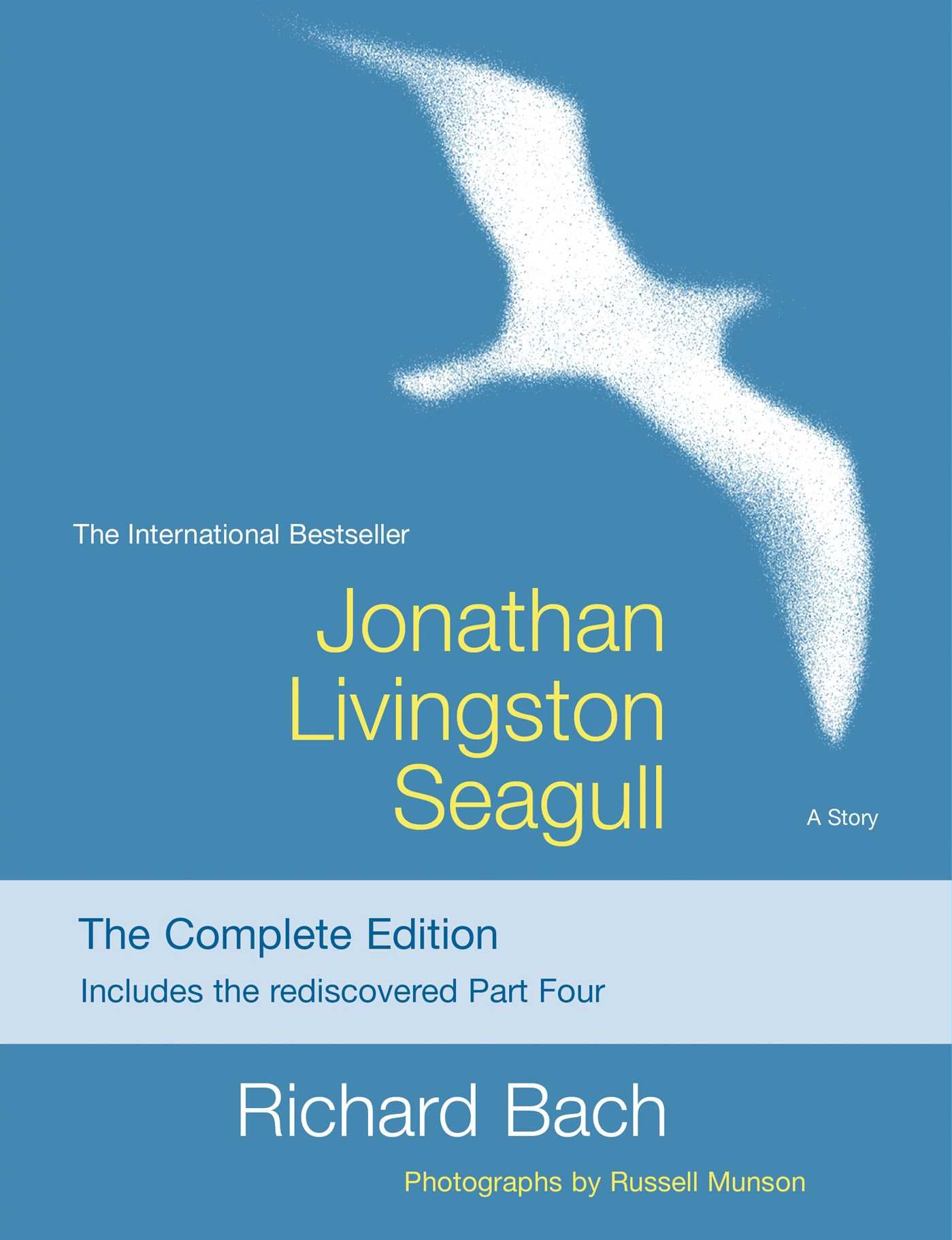
I listened to the beautifully narrated audio version of Jonathan Livingston Seagull by Richard Bach on YouTube.The 45 minute audio recording tells the story of Jonathan Livingston Seagull who yearns to fly and not stay content with the daily activity of finding food like the other gulls. He is passionate about flying so much that he is removed from his flock. Independently he keeps flying and learning different ways to control his flight and speed. He is unconventional, driven and has a bigger purpose to live for.
Having now listened to the story of Jonathan Livingston Seagull, I could understand why Kobe Bryant recommended the book when speaking to the LA Chargers, football team based in the Greater Los Angeles Area. Kobe has been obsessed with greatness and focused on achieving his goals no matter the cost. At times, his teammates probably did not understand his obsession to perfecting his craft, the sacrifices he made to become the best that he could be. Kobe identified himself as Jonathan Livingston Seagull who wanted to be the perfect craftsman and went above and beyond to become who he is.
A highly recommended read. The book starts with To the real Jonathan Seagull, who lives within us all.
Being a huge fan of Kobe Bryant, the now retired NBA player, I have read tons of articles, blogs and watched a lot of videos on him. He is quite the athlete with plenty of videos and blogs talking about his obsession with greatness, relentless work ethic and winning mentality.
Recently, I watched a video of Kobe delivering a welcome speech to the LA Chargers. In that video, he mentions a book Jonathan Livingston Seagull by Richard Bachand discusses the content from it. I have started reading the book to figure out why Kobe recommended it.